

oval backlit mirror
Understanding Ductile Iron Check Valves A Comprehensive Overview Ductile iron check valves have gained significance in various industrial applications due to their exceptional properties and reliability. These valves are designed to control the flow of fluids in a system, preventing backflow and ensuring smooth operation in pipelines and other fluid-conveying systems. This article delves into the characteristics, advantages, applications, and maintenance of ductile iron check valves. What is Ductile Iron? Before understanding the check valves themselves, it is essential to grasp what ductile iron is. Ductile iron, also known as spheroidal graphite iron, is a type of cast iron that has a unique microstructure. This structure provides enhanced strength, toughness, and ductility compared to traditional cast iron. Its ability to withstand significant mechanical stress makes it an ideal material for manufacturing valves used in demanding conditions. Features of Ductile Iron Check Valves Ductile iron check valves typically have a robust construction, allowing them to operate effectively under high pressure and temperature conditions. Some notable features include 1. Corrosion Resistance Ductile iron can be coated to enhance its resistance to corrosion, prolonging the lifespan of the valve. 2. High Strength-to-Weight Ratio The material provides sufficient strength without being excessively heavy, which makes installation more manageable. 3. Versatile Design Ductile iron check valves come in various designs, including swing, lift, and silent types, catering to different operational needs. 4. Sealing Performance These valves often feature resilient seats, ensuring a tight seal and preventing leaks and backflow. 5. Ease of Maintenance Many designs incorporate features that simplify maintenance, such as removable covers for easy access. Advantages of Ductile Iron Check Valves The use of ductile iron check valves brings several advantages to industrial and municipal applications ductile iron check valve 1. Durability Thanks to the inherent properties of ductile iron, these valves exhibit long service life, reducing the need for frequent replacements . 2. Cost-Effectiveness While the initial cost may be higher than some alternatives, the longevity and reduced maintenance requirements of ductile iron check valves can lead to lower overall operational costs. 3. Safety By preventing backflow, these valves protect pipelines and equipment from damage, enhancing the safety of the entire system. 4. Efficiency Ductile iron check valves facilitate smooth and efficient fluid flow, which is crucial in maintaining system performance and reducing energy consumption. Applications Ductile iron check valves are widely used across various industries, including - Water and Wastewater Treatment They are critical in municipal water systems to prevent contamination and backflow. - Oil and Gas These valves help manage fluid flow and protect equipment in pipelines. - HVAC Systems In heating and cooling systems, check valves ensure proper fluid circulation without backflow. - Fire Protection Systems They are essential in fire suppression systems, allowing for the correct flow of water while preventing reverse flow. Maintenance Considerations To ensure optimal performance, regular maintenance of ductile iron check valves is essential. This involves periodic inspections to check for signs of wear, leaks, and operational issues. Routine cleaning of the valve seats and removal of debris can help maintain effective sealing performance. Additionally, ensuring that the valves are correctly installed in alignment with the flow direction is crucial for their effective operation. Conclusion Ductile iron check valves play a vital role in fluid management systems across various industries. Their unique combination of strength, durability, and versatility makes them a preferred choice for many applications. Understanding their features, benefits, applications, and maintenance requirements enables operators and engineers to optimize their usage, ensuring efficient and reliable system performance. As industries continue to evolve, the demand for high-quality components such as ductile iron check valves will likely increase, underscoring their importance in modern engineering solutions.
about
oval backlit mirror
Understanding Level Supplier Relationships in Supply Chain Management In today's dynamic business environment, the concept of level suppliers has gained significant traction within supply chain management. Level suppliers refer to the different tiers of suppliers that contribute to the production and delivery of a product or service. Understanding the structure and dynamics of these relationships is crucial for companies seeking to optimize their supply chains and improve overall operational efficiency. The Importance of Level Suppliers At the core of supply chain dynamics lies a network of suppliers that can be categorized into various levels. Level 1 suppliers are typically direct suppliers, providing raw materials or components directly to manufacturers. Level 2 suppliers, on the other hand, supply products or services to Level 1 suppliers. This hierarchy continues with Level 3 suppliers and beyond, forming a multi-tier supply chain. The significance of understanding these levels cannot be overstated. Each tier plays a vital role in delivering the final product to consumers. By analyzing the entire supplier hierarchy, organizations can identify potential risks, manage costs, and maintain quality control throughout the supply chain. This holistic view allows businesses to anticipate disruptions and implement strategic measures to mitigate them, ensuring greater resilience in the face of uncertainty. Building Strong Relationships Establishing solid relationships with level suppliers is an essential strategy for sustainable growth. Communication, collaboration, and trust are paramount in creating a robust supplier network . Companies must engage with their suppliers regularly to understand their capabilities, challenges, and contributions to the overall supply chain. Moreover, collaboration with Level 2 and Level 3 suppliers can foster innovation and efficiency. For instance, manufacturers can work closely with their suppliers to co-develop new technologies or materials that can enhance product quality or reduce costs. By involving suppliers in the product development process, businesses can leverage the expertise of their partners while building a sense of loyalty and commitment. level supplier Risk Management and Supply Chain Resilience The interconnectedness of level suppliers introduces multiple layers of risk within the supply chain. Natural disasters, geopolitical tensions, economic fluctuations, and other unforeseen events can disrupt operations at various levels. As such, companies must adopt a proactive approach to risk management. Diversifying the supplier base is one effective strategy to mitigate risks. By engaging multiple suppliers at different levels, businesses can ensure a steady supply of materials and components, even if one supplier faces challenges. Additionally, implementing technology solutions like supply chain visibility tools can help organizations monitor and assess the health of their supply chain, enabling them to react swiftly to potential disruptions. Cost Efficiency and Sustainability Level supplier management also presents opportunities for cost efficiency. By analyzing the performance and capabilities of suppliers across different levels, businesses can negotiate better terms, reduce lead times, and optimize inventory management. This approach not only lowers costs but also enhances the overall agility of the supply chain. Moreover, sustainability is becoming an increasingly important consideration in supplier relationships. Companies are now looking to partner with suppliers who adhere to sustainable practices, such as responsible sourcing and eco-friendly manufacturing processes. Incorporating sustainability into supplier selection criteria not only benefits the environment but also improves brand reputation and appeal to increasingly conscious consumers. Conclusion In conclusion, the concept of level suppliers is integral to effective supply chain management. By understanding the layers of supplier relationships, building strong partnerships, managing risks, and pursuing cost efficiencies and sustainability, organizations can enhance their supply chain performance. Companies that prioritize these aspects will be better positioned to navigate the complexities of modern supply chains, ensuring long-term success in an ever-evolving marketplace. Embracing level supplier strategies is not just a tactical choice; it is a fundamental element of a resilient and forward-thinking business approach.
-

High quality industrial productsagement

High quality industrial products
View Details -

Meet the diverse needs of customers

Meet the diverse needs of customers
View Details -

Strict quality control

Strict quality control
View Details -

Top raw materials

Top raw materials
View Details -

Trusted supplier

Trusted supplier
View Details
Our application

news and information
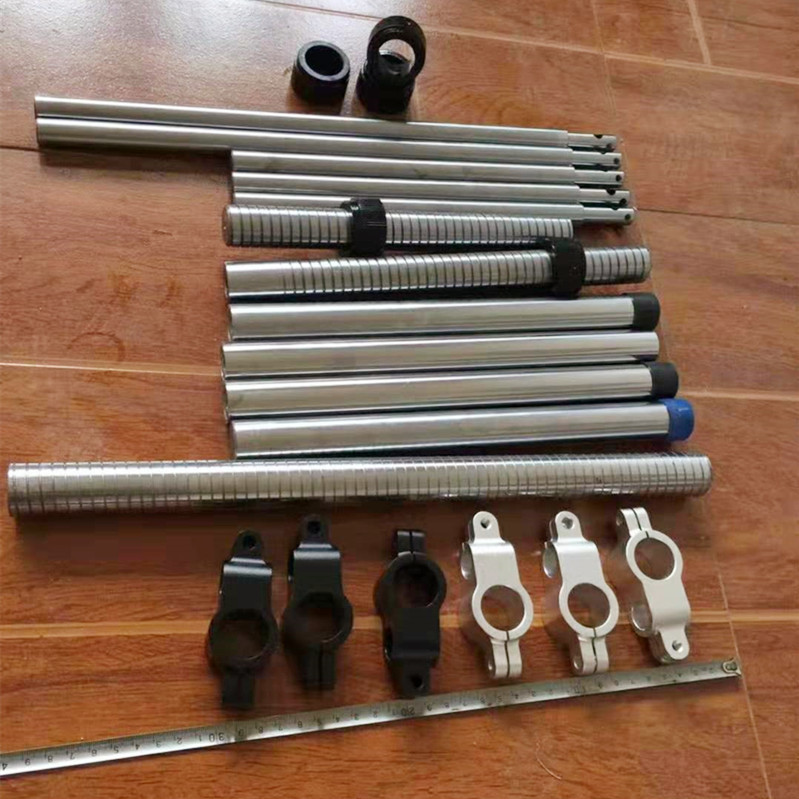
Versatile Welding Table Clamps for Secure and Efficient Metalworking Projects and Fabrication Tasks
The Importance of Welding Table Clamps in Metalworking Welding is a fundamental process in metalwork
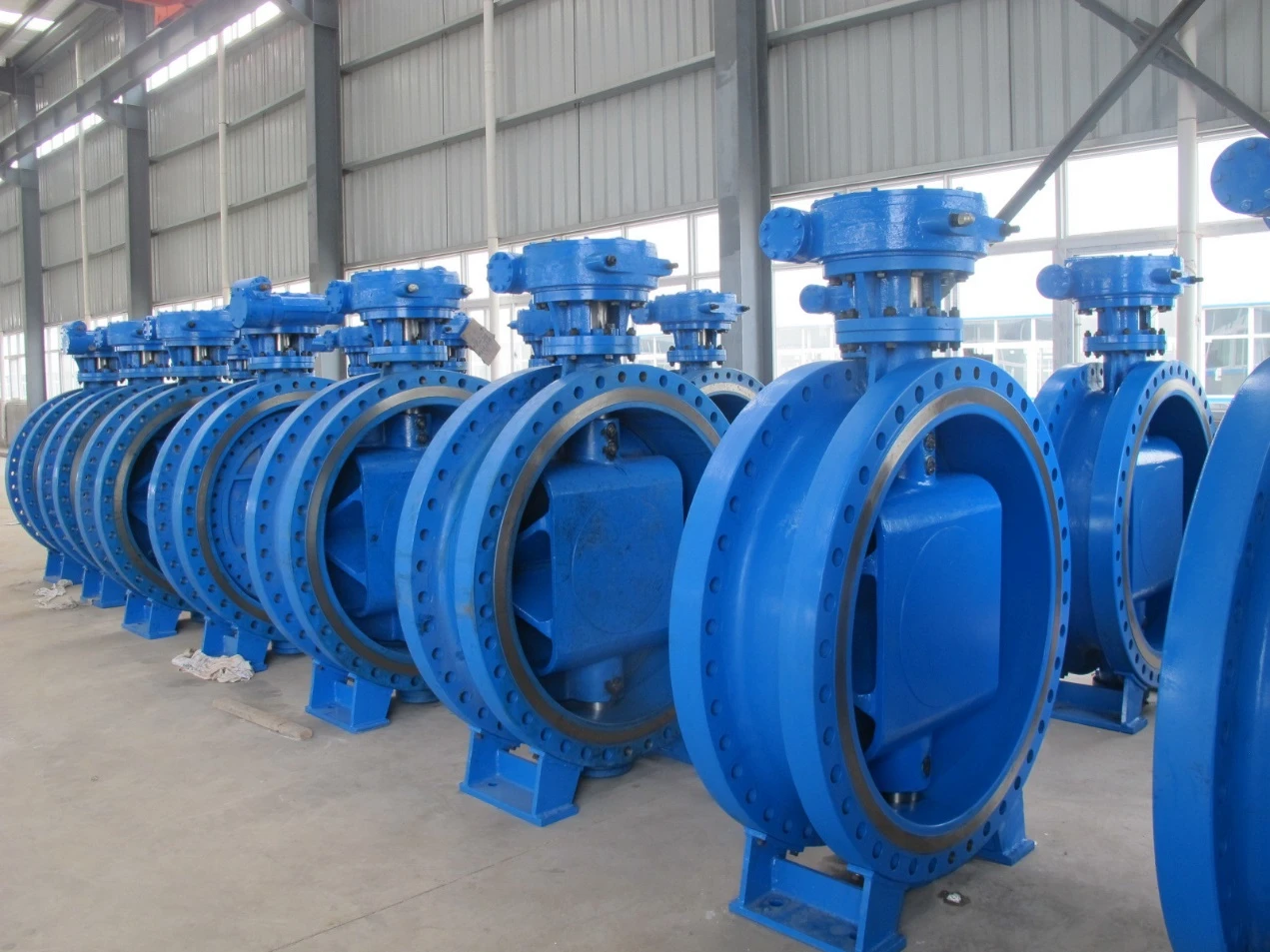
Válvula principal de agua en el hogar y su importancia para el suministro doméstico
La Importancia de la Válvula Principal de Agua en el Hogar La válvula principal de agua es un compon
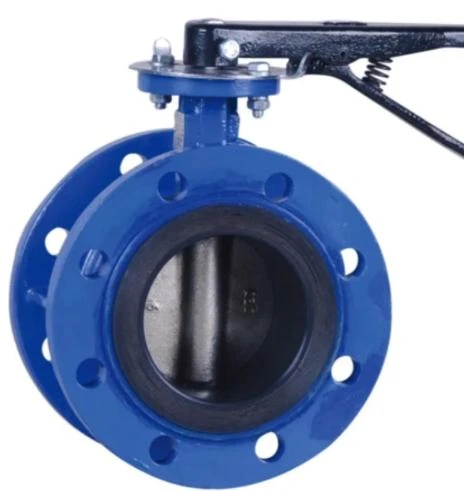
Various Types of Control Valves and Their Practical Applications in Industry
Control Valve Types and Applications Control valves are critical components in various industrial pr
 English